
Your bill is worst between 4pm and 9pm
Pull up your utility usage by hour. If the tall bars sit in the evening, you are buying your most expensive kilowatt-hours at the exact time your panels have stopped producing.
A Tesla Powerwall turns your home into its own micro-grid, solar during the day, stored energy after sunset, and instant backup when the grid goes down. Nuon Energy is a certified Tesla installer with hundreds of Powerwalls commissioned across Southern California. In Poway (92064), Nuon crews design every install around NEM 3.0 rates, 270 usable sun days a year, and the specific roof and load profiles we see across Green Valley, Old Poway, Rancho Arbolitos, Bridlewood.
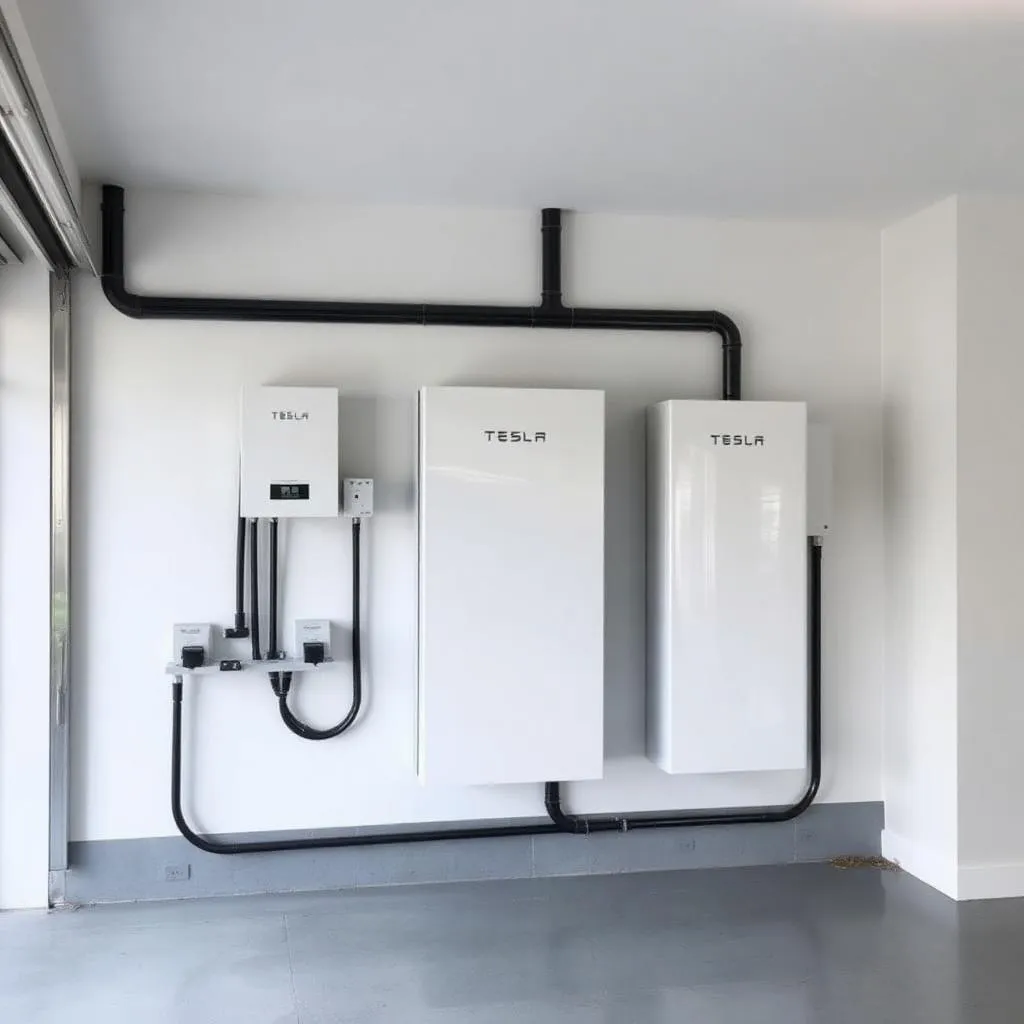
Nuon Energy installs tesla powerwall across Poway and the surrounding north county Southern California area. Our regional crews keep the same in-house team on your project from design through PTO, no subcontracted labor and no handoffs.
Every Powerwall project starts with a load study of your panel and lifestyle: EV charging, HVAC, well pumps, medical equipment. We size the number of Powerwalls to run whole-home or essentials-only backup for the outage duration you actually need.
Installations include the Tesla Gateway, a code-compliant sub-panel or whole-home isolation, and full commissioning through the Tesla app so you can monitor solar production, battery charge and grid status from your phone.
Local context: Poway Unified is one of the largest school districts running commercial solar, which has driven residential adoption above county average, expect informed customers asking sharp NEM 3.0 questions.
Permits & incentives in Poway: City of Poway runs SolarAPP+ for most residential PV; ground mounts and battery-plus-solar combos go through standard 2-3 week plan check. The federal clean energy tax credit, the San Diego Community Power battery rebate for storage, and Poway CARE/FERA households can stack utility bill assistance on top of solar savings.
Storage is not automatically right for every home. These are the situations where the math and the day to day experience both work out.
Pull up your utility usage by hour. If the tall bars sit in the evening, you are buying your most expensive kilowatt-hours at the exact time your panels have stopped producing.
Anything interconnected after April 2023 exports at roughly a quarter of the old credit rate. Storing a kilowatt-hour and using it yourself is worth several times exporting it.
Medical equipment, a home office, a well pump, or a refrigerator full of food changes backup from a nice-to-have into a number you can put on a page.
New loads land in the evening. A battery absorbs that increase without pushing you into a higher tier of grid purchase.
Plenty of NEM 2.0 homes are now paying more than they expected because usage grew. Retrofitting storage onto a healthy array is one of the cheapest fixes available.
Some batteries, like the Powerwall, integrate a solar inverter, which can free up breaker space and sometimes avoids a full main service panel upgrade.
Send us a recent bill and we will model backup duration and peak-rate savings side by side.
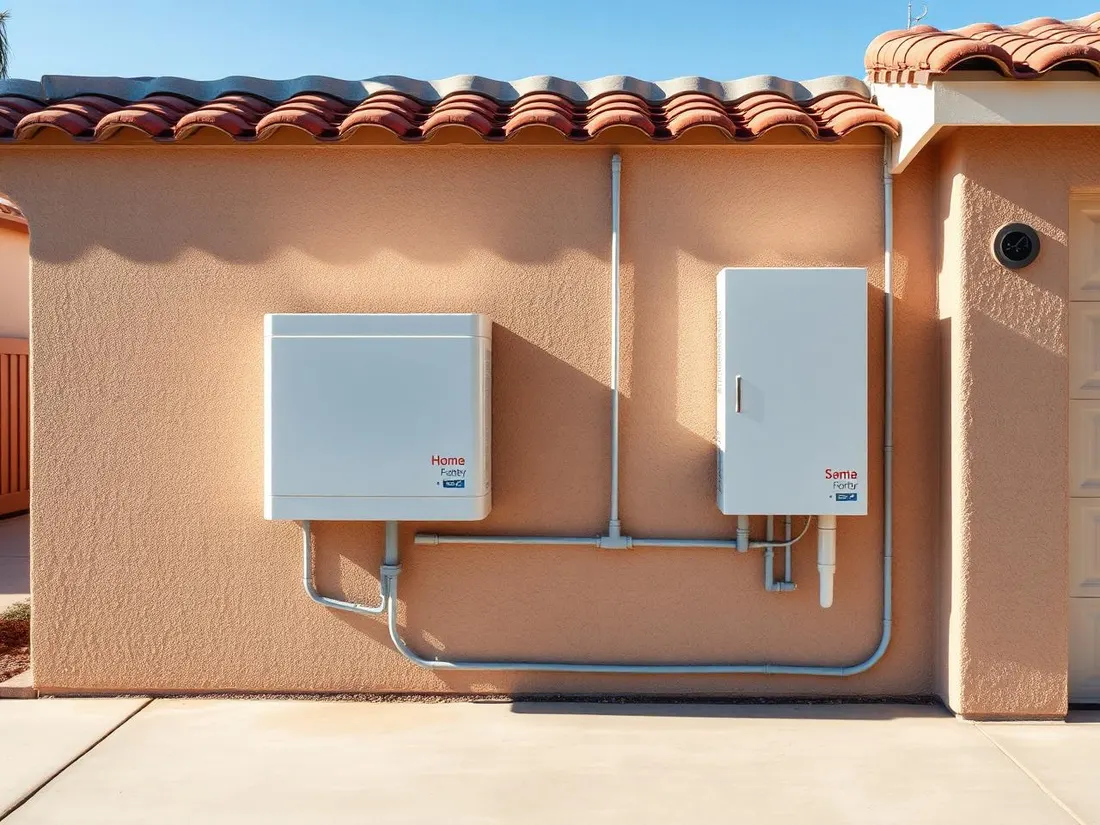
The Tesla Powerwall is a home battery that stores energy from solar panels or the grid for use during outages or peak-rate hours. Controlled through the Tesla app, it helps homeowners maintain reliable power while reducing dependence on the utility grid.
With rising electricity rates and increasing grid instability in Southern California, the Powerwall gives homeowners clean, dependable energy storage and real control over how and when their power is used.
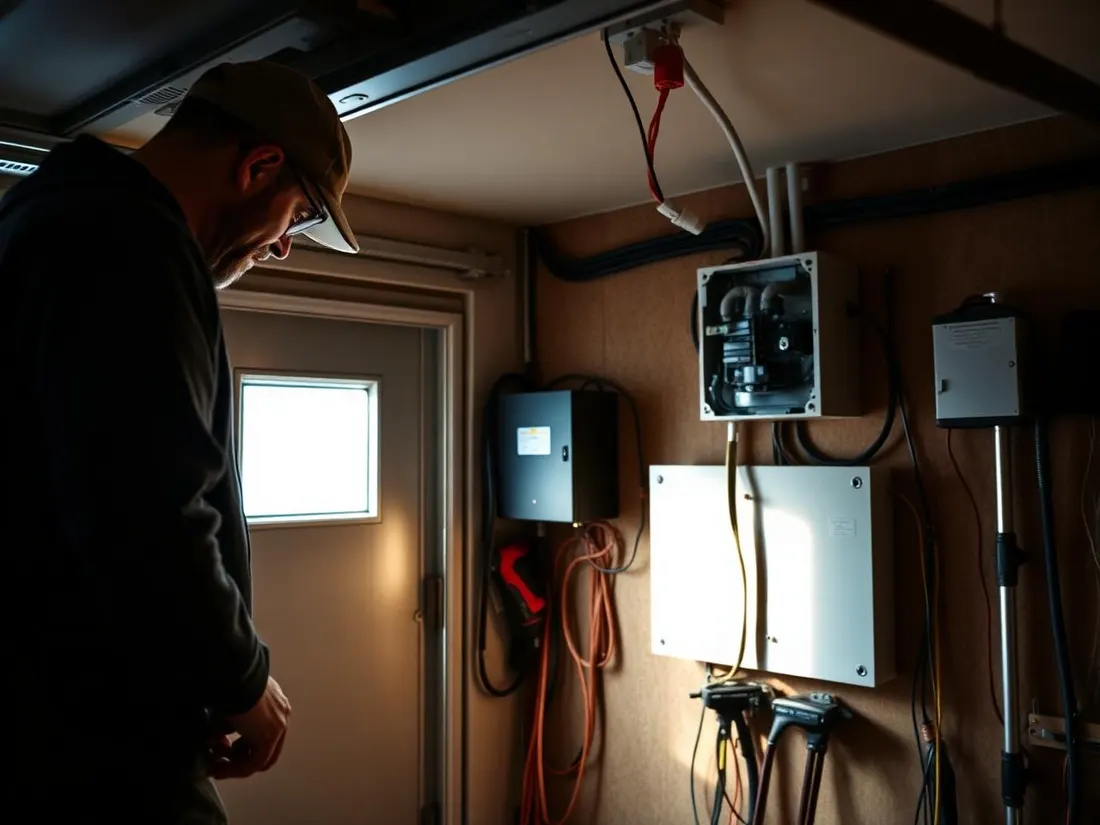
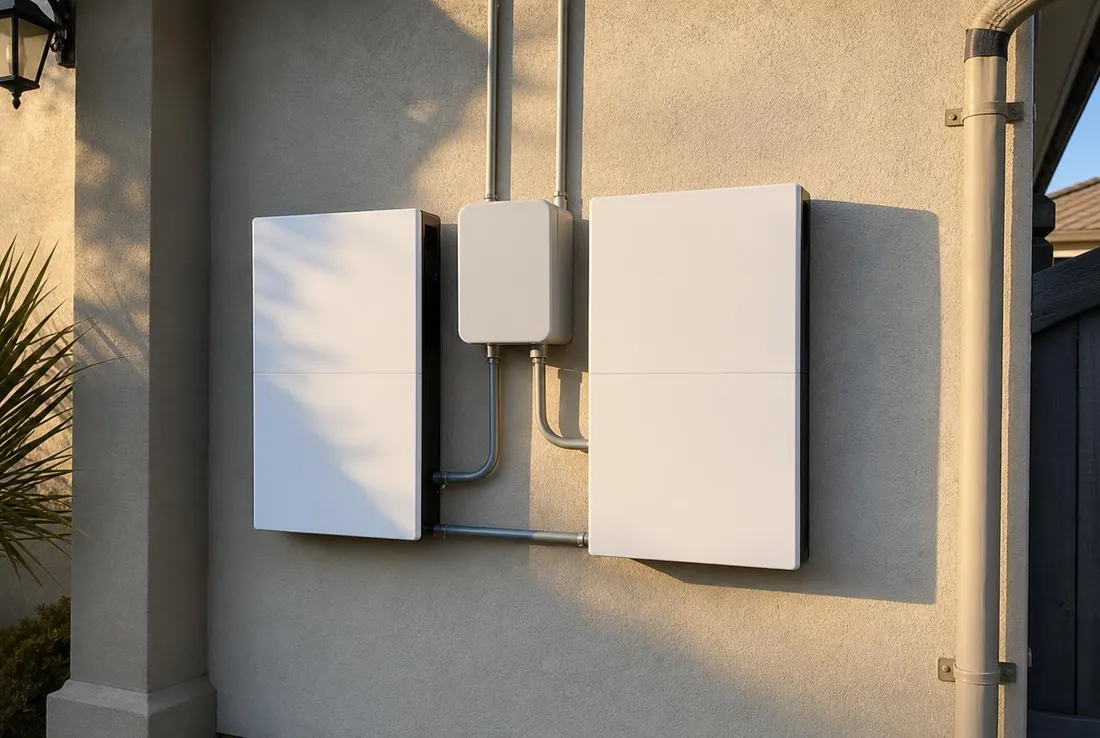
Professional installation ensures your Powerwall is properly sized, permitted, and optimized for your home's energy needs. We handle the load study, panel upgrades, Tesla Gateway wiring, city permitting, and utility interconnection end-to-end.
Once commissioned, everything runs from the Tesla app, solar production, battery charge, grid status, backup history, so you always know what your system is doing.
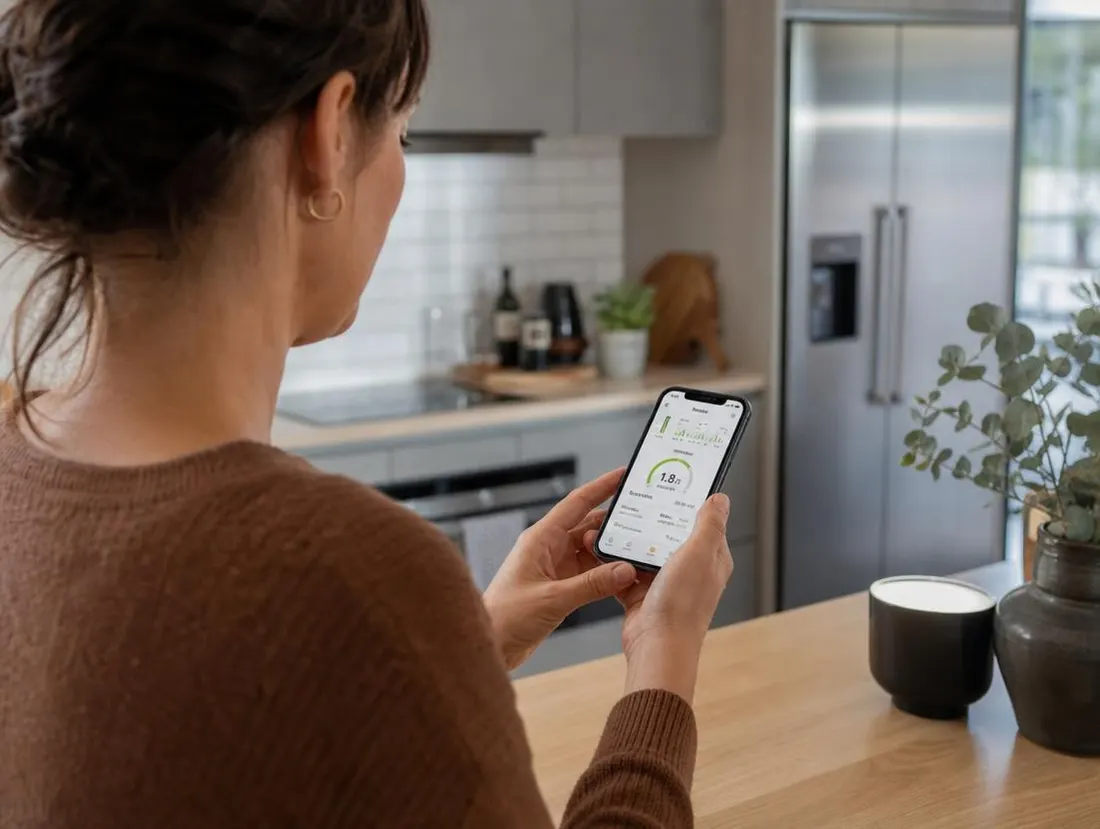
Residential time-of-use rates put the most expensive window of the day between 4pm and 9pm, which is exactly when your solar production is falling off and the house is waking back up. Cooking, laundry, air conditioning, the EV plugging in. Without storage you buy those hours at the top of the rate card while your midday surplus goes to the grid for a fraction of what you pay to buy it back.
A Powerwall closes that gap. The battery fills on surplus solar through the afternoon, then carries the house through the peak window on stored energy. On a typical Southern California home with a 6 to 9 kW array, that shifts most or all of the peak-window consumption off the bill. What is left is a small overnight draw at the cheapest rate of the day.
The second lever is NEM 3.0. Export credits under the current tariff are roughly a quarter of what NEM 2.0 paid, so a kilowatt-hour you store and use yourself is worth several times a kilowatt-hour you export. Storage is no longer mainly a backup purchase in California. It is the thing that makes new solar pencil.
We model this against your actual twelve months of usage before quoting. If the numbers do not support a battery on your house, we say so, and you get an honest solar-only proposal instead.
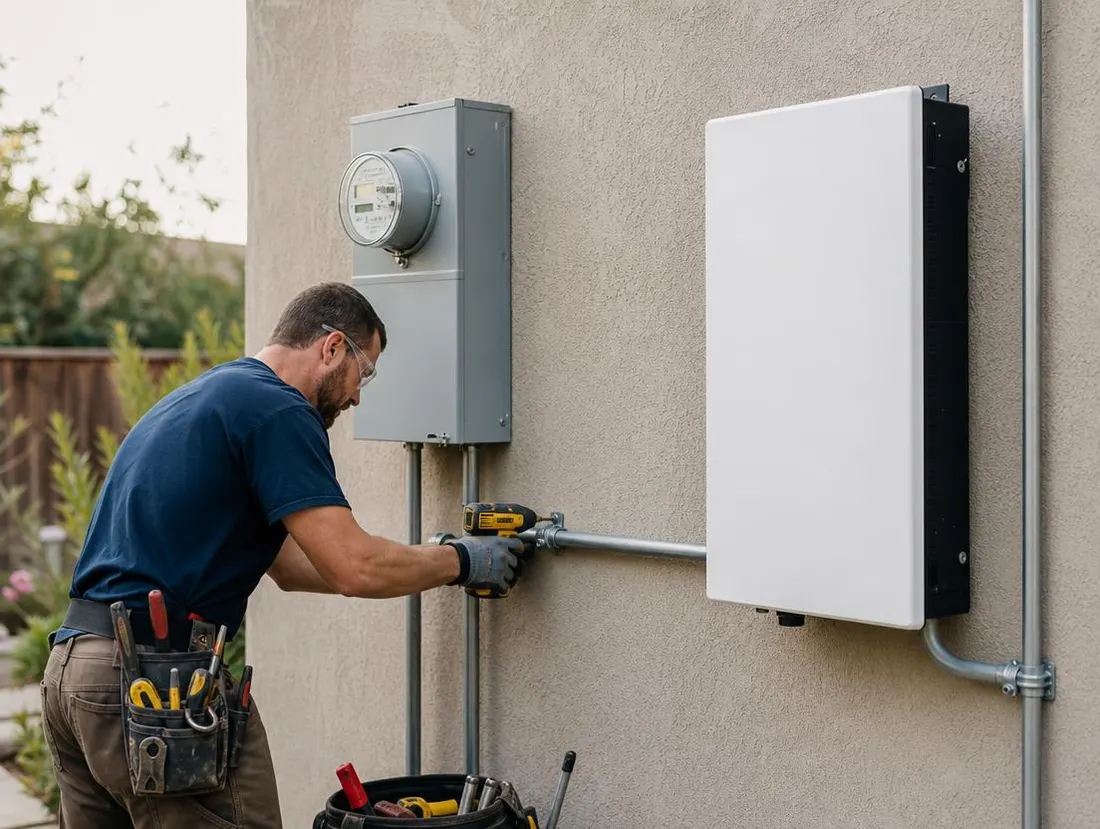
Most Powerwall installs are a one to two day job on site, with the paperwork around them taking longer than the work itself. The crew arrives, sets the mounting location, lands the Gateway between your meter and your main panel, runs conduit, mounts and torques the unit, then commissions it on the Tesla app with you standing there.
Location matters more than people expect. Modern batteries are rated for outdoor mounting and handles Southern California heat well, but a west-facing stucco wall in an inland valley runs hotter than a shaded north side, and heat is what ages a battery. We look for shade, service clearance, and a short run to the panel, in that order.
The Gateway is the piece that makes backup work. It isolates your home from the grid within a fraction of a second when the utility drops, so the lights flicker rather than go out. If you are backing up the whole house, the Gateway sits at the service entrance. If you are backing up essentials only, we build a backup sub-panel and move those circuits over, which is usually the cheaper path on an older home.
Then comes permitting and interconnection. The city inspection is normally quick. Utility permission to operate is the long pole, commonly two to six weeks after inspection. Your battery can be installed and inspected while that clock runs.
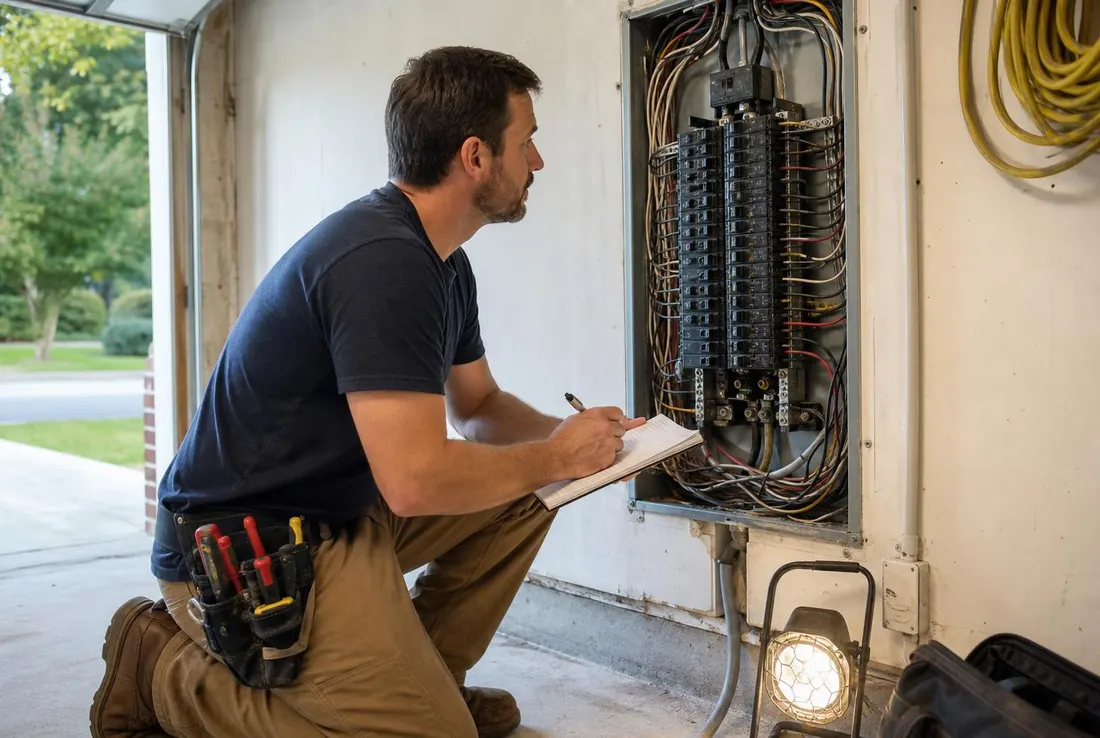
The most common problem we get called about is undersizing. A single unit was sold as whole-home backup, and the first time the grid drops in August the air conditioner starts, the battery hits its power limit, and everything trips. One Powerwall carries real load comfortably, but a 5-ton condenser and an EV charger together is a two or three unit conversation.
The second is backup scope that was never defined. Nobody wrote down which circuits matter, so the sub-panel got whatever was convenient in the panel, and the homeowner discovers during an outage that the well pump or the home office is not on it.
The third is a battery bolted onto a service panel with no headroom. It passes inspection, then the homeowner tries to add an EV charger a year later and finds there is no capacity left. We size the whole electrical picture at the survey, including what you told us you might add later.
Priced as a complete commissioned system. The battery is the cheapest part of getting this right.
Not included: trenching for detached structures, generator interlock work, and asbestos or aluminum wiring remediation in older panels.
Next step
See this scope priced for your property
A Powerwall retrofit on an existing array is usually a one day install. Permitting and utility approval are what set the calendar.
Day 1, no site visit needed
We pull twelve months of your interval data from your utility and model how much of your evening consumption a battery would actually cover. If it does not pencil, we tell you.
Week 1, about 90 minutes
Panel inspection, wall space, ambient temperature, conduit route, and existing inverter compatibility. This is where we find the surprises, not on install day.
2 to 4 days
Single line diagram, backup load list, and a written price that includes any panel work the survey turned up.
3 to 6 weeks
City electrical permit and the utility interconnection application run in parallel. This is the slow part and it is almost entirely out of our hands.
1 day, sometimes 2
Mount, wire, gateway, commission. Power is off for a few hours in the middle of the day, not the whole time.
1 to 3 weeks after install
City sign-off, then your utility grants permission to operate. The system runs in backup-only mode until that clears.
Step one starts with a site survey. Most homeowners are booked within a few days.
Next step
Book my site survey
Batteries are a great fit for most Southern California homes, but not every one. Here is the honest version.
If your most expensive hours are 4pm to 9pm, a battery lets you skip them by running the house on stored solar.
Home offices, medical equipment, well pumps and a full fridge all justify backup on their own.
Export credits are low, so storing your production and using it yourself is worth far more than sending it to the grid.
Charging overnight from stored solar keeps a big new load off your peak-rate bill.
If you are under roughly 400 kWh a month, the savings side of the math gets thin and the value becomes mostly backup.
Grandfathered export credits are generous. In that case we often recommend waiting and revisiting before your term expires.
Some older homes need a main service panel upgrade first. We will tell you that up front rather than after the deposit.
One battery covers essentials well. Air conditioning and an EV charger through an outage usually means two or three.
Still weighing it up? We will walk your site and tell you which column you fall into.
Get a free quoteThe numbers that actually matter when you are deciding how many units your house needs.
| Specification | Typical home battery | What it means for you |
|---|---|---|
| Usable capacity | 13.5 kWh per unit | Roughly one evening of normal use for a typical Southern California home |
| Continuous output | 11.5 kW | Runs air conditioning, oven, and an EV charger together on most homes |
| Solar input | Integrated inverter, up to 20 kW DC | No separate string inverter needed on new installs |
| Expansion | Up to 4 units per gateway | Add capacity later without replacing what you already own |
| Warranty | 10 years, 70% capacity retention | Backed by Tesla, plus our workmanship warranty on the install |
| Backup transition | Under 200 milliseconds | Fast enough that clocks, routers, and computers never notice |
Not sure which row fits your roof, panel or load profile? We will spec it for you, free.
Next step
Ask an installer
The unit price is public. What separates a fair quote from a bad one is everything around it.
Largest single factor
One unit covers essentials, two or three covers whole-home on most houses
$2,500 to $5,500 if upgraded
Older 100A panels often need to go to 200A before storage is legal
$1,200 to $2,800
Cheaper than whole-home backup when only critical circuits matter
Modest
Garage-adjacent panels are the cheapest, detached structures the most expensive
Reduces your net cost
Storage qualifies on its own, even without new solar. Confirm with your tax preparer
Case by case
SGIP is currently unfunded, the San Diego Community Power battery rebate is the live local program
We put the panel work in the original quote. A proposal that leaves it out is not cheaper, it is just incomplete.
Get your numberSizing starts with your last twelve months of utility data, not a rule of thumb. We look at your evening load shape, what runs on a hot August night, and how long you would realistically want to ride through an outage.
From there we model the number of units against two goals at once, backup duration and peak-rate avoidance. Those two goals do not always want the same answer, so we show you both and let you pick where to land.
Battery projects in Southern California need an electrical permit, a city inspection, and utility approval before the system can operate in grid-tied mode. We file all of it and track it.
Typical timelines run four to eight weeks from signed proposal to activation, with the install itself taking one or two days. We stay on the inspection calendar so a paperwork delay does not turn into a month of waiting.
Next step
Get these answers for your own home
Tesla certifies installers on paperwork. What matters on your wall is whether the crew has done it two hundred times in the same permitting jurisdiction.
We size against twelve months of interval data from your meter, not a rule of thumb based on square footage. Oversizing a battery is an expensive way to be wrong.
You decide what stays on during an outage while the plan is still on paper. Nobody finds out the hard way that the second refrigerator is not on the backup panel.
We physically open the main breaker with you standing there so you see the transition, hear what stays running, and know what to expect at 2am in January.
Next step
Get a free quote
Still have a question we did not answer? Ask us directly, we will give you a straight answer and a written number.
Storage rarely arrives on its own. These are the pairings we quote most.