
Daytime load profile
Warehouses, manufacturing, schools, and retail consume during production hours. That alignment is worth more than roof size.
Commercial roofs are some of the best solar real estate in California, large, unshaded, and directly connected to a high-consumption load. Nuon Energy engineers ballasted and mechanically-attached PV systems that offset daytime demand and hedge against decades of rate escalation. In Menifee (92584), Nuon crews design every install around NEM 3.0 rates, 285 usable sun days a year, and the specific roof and load profiles we see across Audie Murphy Ranch, Sun City, Menifee Lakes.
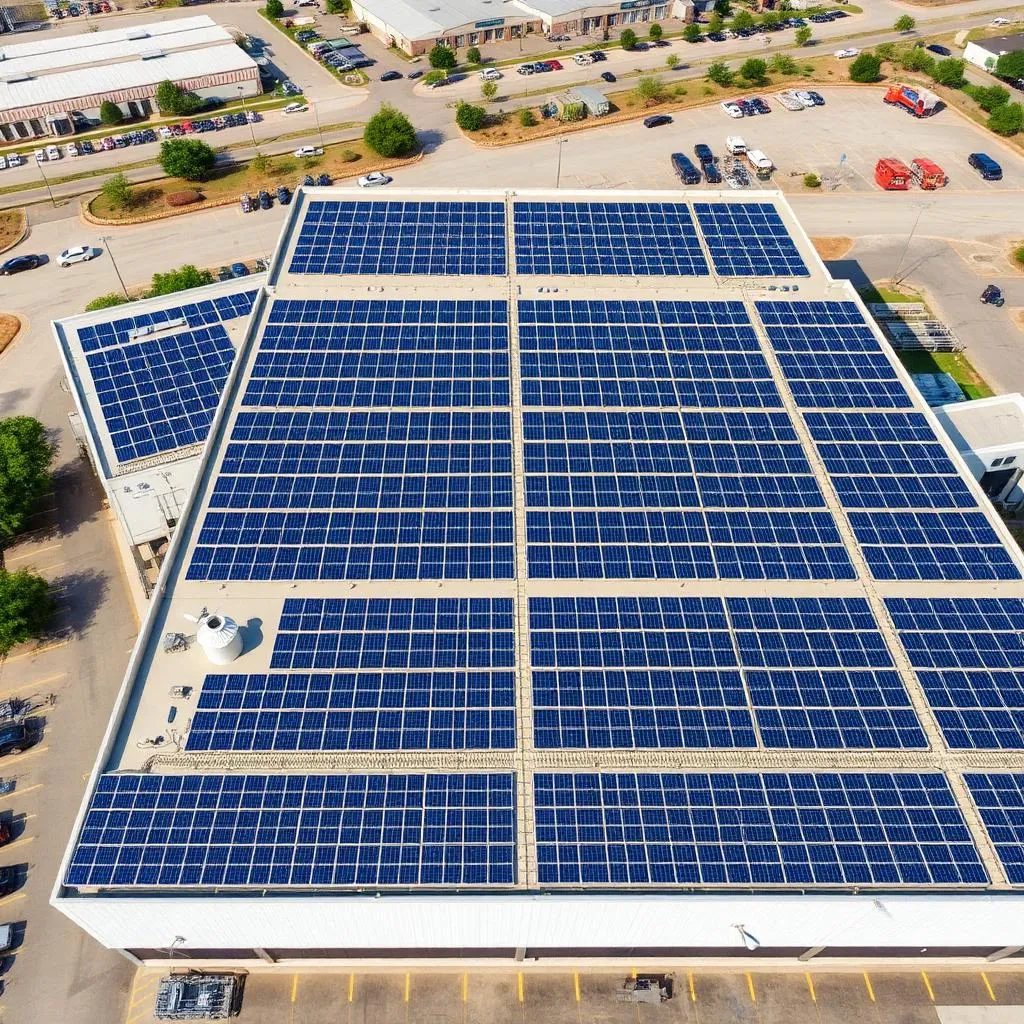
Nuon Energy installs commercial rooftop solar across Menifee and the surrounding riverside Southern California area. Our regional crews keep the same in-house team on your project from design through PTO, no subcontracted labor and no handoffs.
With high electricity rates and strong solar incentives, Southern California businesses are well positioned to see fast returns on commercial rooftop solar. Every system is custom-designed to fit your building, roof structure, and energy profile, providing reliable power while supporting long-term sustainability goals.
Systems are built with Tier-1 modules, string or central inverters sized to your service, and monitoring at the array, string and revenue-grade level so you can prove production for financing, PPAs, and depreciation.
Local context: Inland heat and evening peak pricing drive the design. On the older Sun City stock we usually pair the array with a panel upgrade so storage and EV charging have somewhere to land.
Permits & incentives in Menifee: City of Menifee runs a streamlined residential solar review, typically under two weeks. The federal clean energy tax credit applies to solar and storage. SGIP is unfunded, so we check current SCE and state storage programs case by case instead of promising a rebate.
Commercial rooftop solar rewards a specific profile. These are the indicators we look for before spending your time on a proposal.
Warehouses, manufacturing, schools, and retail consume during production hours. That alignment is worth more than roof size.
If demand charges dominate your invoice, solar alone helps less than you think and solar plus storage helps a great deal.
Removing and resetting a commercial array for a re-roof is a six figure mistake. We inspect the membrane before we design.
Mechanical units, skylights, and setback requirements can remove a third of an apparently large roof. We map it accurately.
Owner-occupied buildings and long leases capture the full benefit. Short leases usually point toward a PPA instead of ownership.
Scope 2 reduction, LEED points, or customer-driven ESG requirements often justify projects that a payback calculation alone would not.
Send twelve months of interval data and we will return a modeled production and payback analysis.
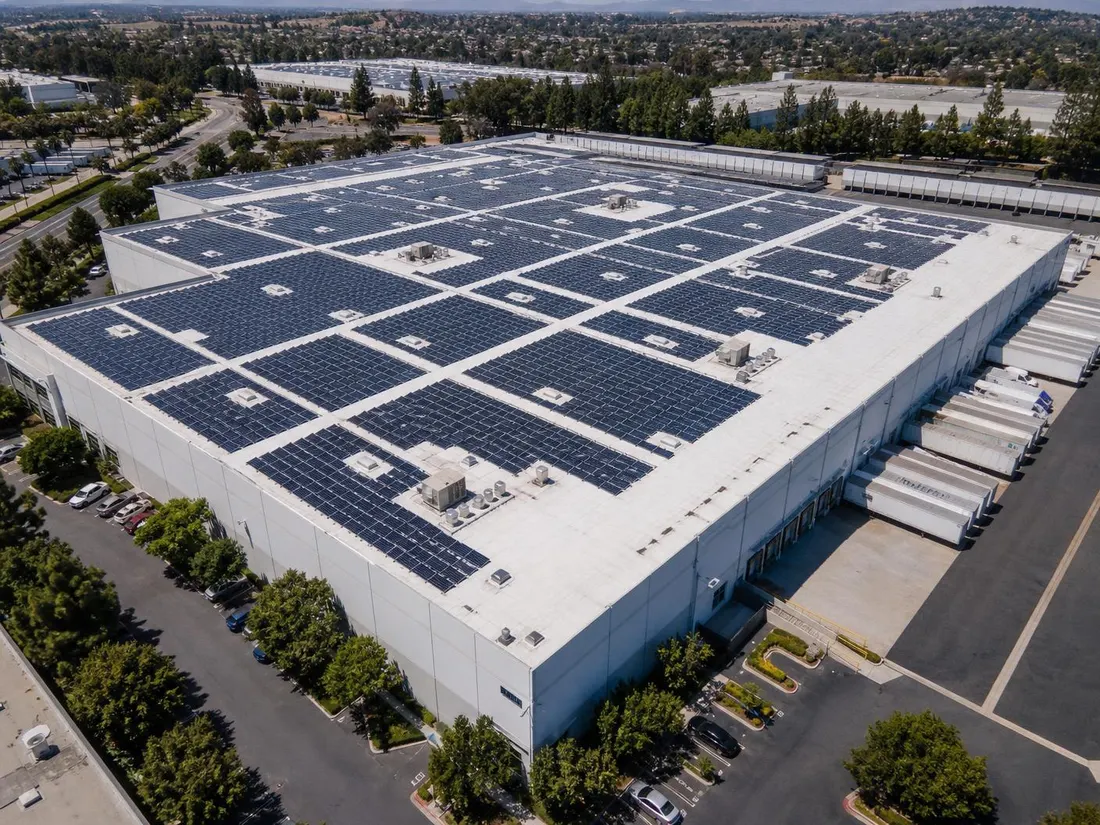
We specialize in complex commercial and industrial solar projects, delivering engineered solutions built for performance, compliance, and long-term reliability. Every project begins with a structural analysis, roof condition report, and interconnection study against your utility's current queue.
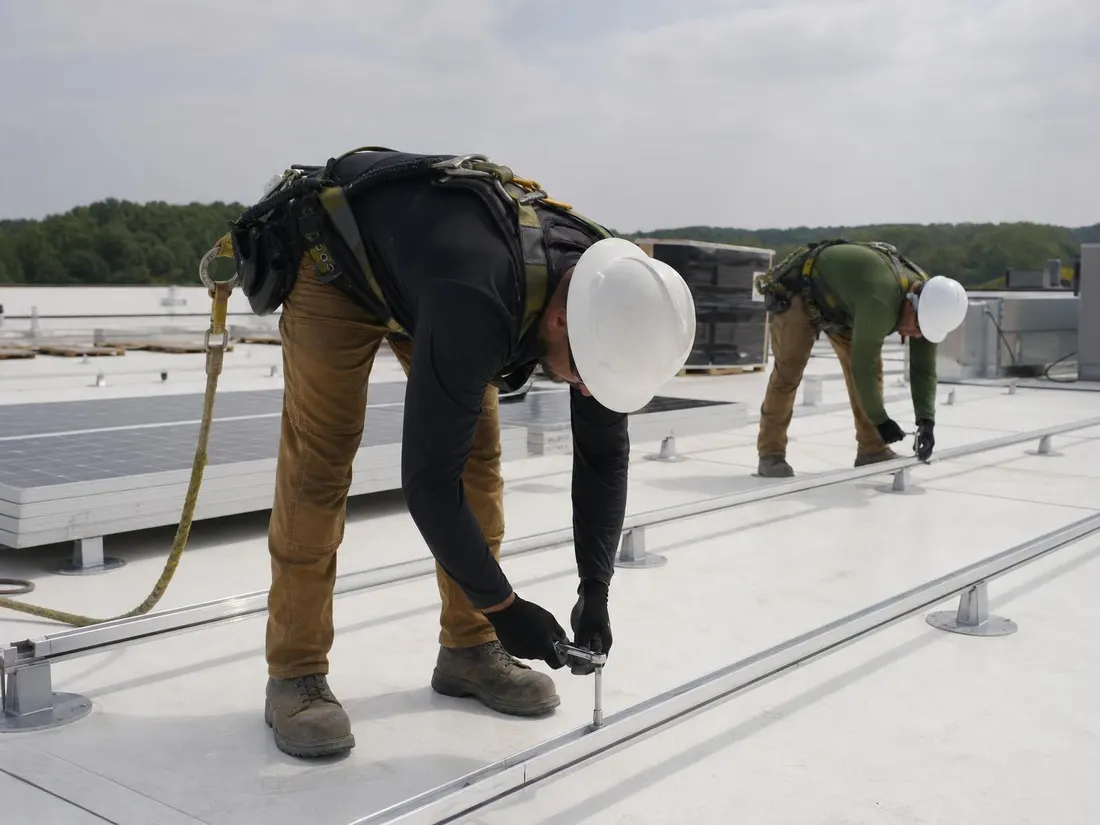
You don't have to cover the full cost upfront. We offer flexible financing, including PPAs, solar leases, and cash purchases, designed to fit your budget and financial goals. Our team maximizes federal tax credits, accelerated depreciation, California programs, and utility rebates.
By tailoring the financing structure to your business, we make commercial solar a practical, low-risk investment. Whether your goal is immediate savings, long-term ownership, or balance-sheet flexibility, we guide you through every option.

Commercial solar roofing in Southern California is more than an energy upgrade, it's a long-term business strategy. With the right system, financing, and engineering partner, your rooftop becomes a dependable asset that lowers operating costs, stabilizes energy expenses, and supports sustainable growth.
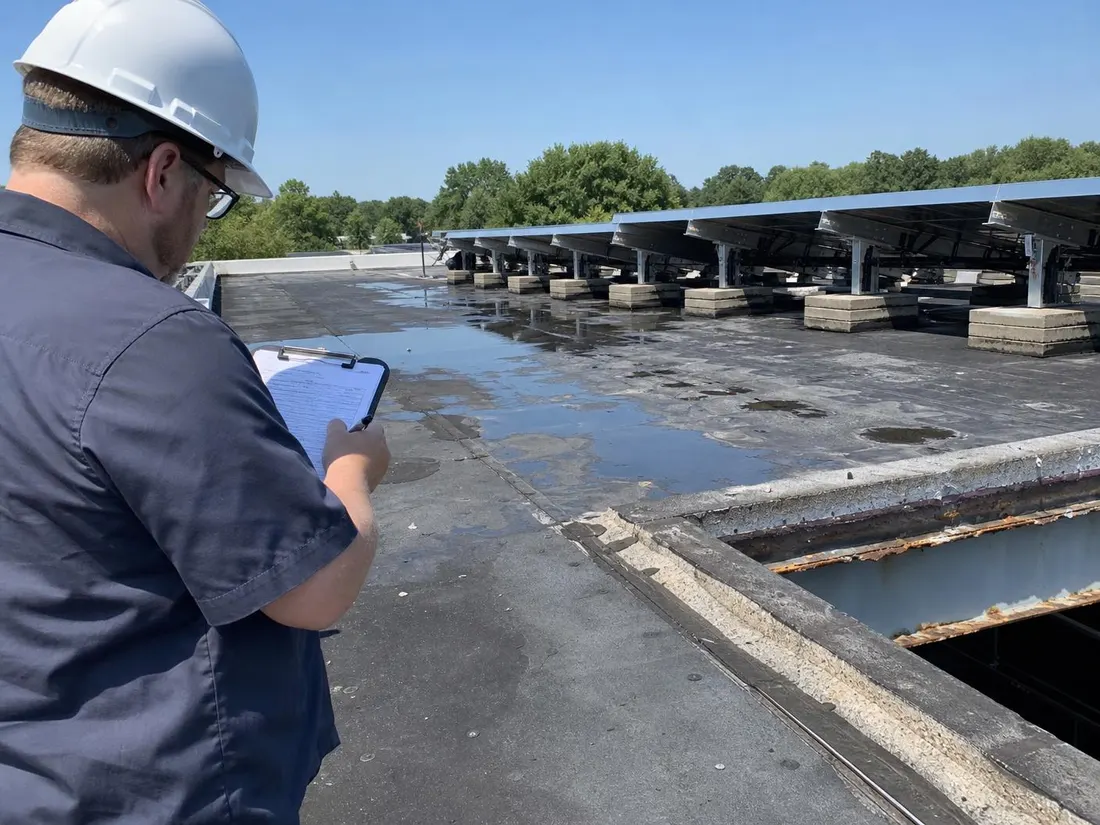
A commercial solar decision is a finance decision, not an energy decision. The three levers are the federal investment tax credit, accelerated depreciation under MACRS, and the avoided cost of the utility energy you stop buying. Stack those correctly and a well-sited 250 kW array on a warehouse in Otay Mesa or Miramar typically shows a payback in the four to seven year range with a 25-year asset behind it.
The avoided cost side depends heavily on your rate schedule. Businesses on commercial time-of-use schedules pay for both energy and demand. Solar reliably cuts the energy component. It cuts demand only partially, because your peak can land on a cloudy afternoon or after production drops, which is where storage enters the conversation.
Bonus depreciation rules have been shifting, which changes the first-year cash picture meaningfully. We model your project against current-year rules and show the after-tax cash flows year by year rather than quoting a single payback number that hides the assumptions.
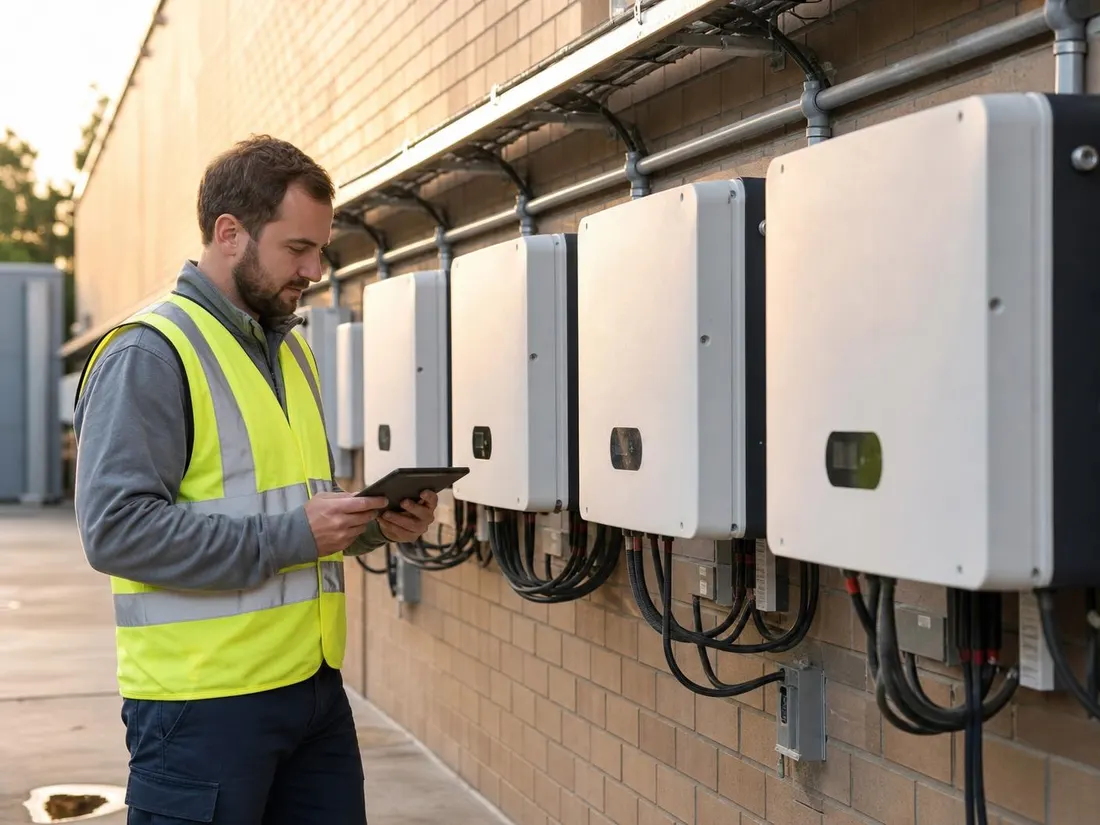
Before anything else, a structural engineer reviews whether your deck and framing can carry the additional dead load, plus uplift under California wind provisions and seismic requirements for the attachment method. Ballasted systems add more weight and no penetrations. Mechanically attached systems add less weight and require flashed penetrations done to the membrane manufacturer's spec.
The membrane's remaining service life is the deciding factor most owners underestimate. Putting a 25-year array on a TPO roof with eight years left means paying to remove and reinstall the entire system mid-life, which can run 15 to 25 percent of the original install cost. If the roof is near end of life, re-cover first. We do both trades in-house specifically so that conversation happens once.
Existing rooftop equipment, screens, curbs, and drainage all shape the layout. Ponding under an array is how a good roof becomes a bad roof, so drainage paths get preserved in the design rather than worked around after the fact.
Every penetration we make is flashed to the membrane manufacturer's detail and documented so your roof warranty stays intact. That documentation is part of the closeout package.
Delivered as a single contract covering engineering, procurement, and construction.
Not included: roof replacement, structural reinforcement, and electrical service upgrades, each priced transparently after the engineering review.
Next step
See this scope priced for your property
Commercial timelines are driven by interconnection study queues and plan check, not by construction speed.
Week 1
We read your interval data and rate schedule to separate energy charges from demand charges. Those two require different solutions.
Week 2 to 3
Structural capacity, membrane age, and usable area. If the roof needs work first, that conversation happens now.
Week 3 to 6
Stamped design, production model, financial model with ownership and PPA scenarios side by side.
2 to 6 months
Plan check and the utility study run in parallel. Larger systems trigger longer studies and we set that expectation early.
2 to 8 weeks
Sequenced around your operations. Most sites keep running normally throughout.
2 to 8 weeks after build
Inspection, witness testing where required, then permission to operate and the monitoring handover.
Step one starts with a site survey. Most homeowners are booked within a few days.
Next step
Book my site survey
We would rather you see the constraints now than discover them during engineering.
Most commercial buildings consume the most power exactly when the array produces the most. That is the cleanest offset there is.
The federal credit combined with accelerated depreciation moves typical payback into the four to seven year range for owners who can use both.
Paired with storage, solar can shave the demand peaks that quietly make up a third of many commercial bills.
Twenty five years of known generation is a budgeting advantage, not just an energy one.
If the membrane has under ten years left, it should be replaced first. Installing over a failing roof creates an expensive problem later.
Older steel and wood-framed buildings sometimes need reinforcement to carry a ballasted array. The structural report tells us early.
Utility study and approval timelines can add months on larger systems. We build that into the schedule instead of hiding it.
Split-incentive leases need the savings language sorted before construction. We have done it, but it takes lead time.
Still weighing it up? We will walk your site and tell you which column you fall into.
Get a free quoteIndicative only. Your building's real number comes from the interval data and the usable roof area.
| Building type | Typical system size | Notes |
|---|---|---|
| Small retail or office | 25 to 75 kW | Often fits behind the existing service with no upgrade |
| Light industrial | 100 to 300 kW | Strong daytime alignment, demand charges usually the main target |
| Distribution warehouse | 300 kW to 1 MW | Large clean roof, often limited by interconnection rather than area |
| School or municipal | 150 to 600 kW | Frequently combined with carports for shade and additional capacity |
| Cold storage | 200 kW to 1 MW | High constant load, best case for pairing with storage |
Not sure which row fits your roof, panel or load profile? We will spec it for you, free.
Next step
Ask an installer
Commercial cost per watt falls with scale, then rises again with site complexity.
Falls sharply with scale
Fixed engineering and mobilization costs spread across more kilowatts
Ballast vs mechanical
Ballast avoids penetrations but requires structural capacity for the added dead load
Can gate the project
A membrane with under ten years left should be replaced before the array goes on
Highly variable
Transformer or service upgrades are utility-driven and can be significant
Case by case
Older steel deck buildings sometimes need reinforcement at specific bays
Materially reduces net cost
Federal credit plus accelerated depreciation. Confirm with your tax advisor
We present ownership, PPA, and lease scenarios in the same document so finance and facilities are looking at the same numbers.
Get your numberWe start from twelve months of interval data, not square footage. That data shows your demand peaks, your load shape by season, and how much of your bill is energy versus demand.
From there we model array size, inverter configuration and optional storage against three financing structures, direct ownership, lease and PPA, so the finance team can compare cash flow rather than just system cost.
Commercial arrays are assets, and assets need reporting. Every system we install includes string-level monitoring, with revenue-grade metering available where financing or a PPA requires it.
We offer ongoing operations and maintenance covering inspection, cleaning cycles, inverter service and production guarantees, so nobody has to guess whether the roof is still earning.
Next step
Get these answers for your own home
Commercial construction is judged on disruption as much as on production. Our sequencing reflects that.
We coordinate directly with the membrane manufacturer's warranty holder before a single attachment is set, and document the approval.
Solar reduces energy charges. Demand charges need storage or load control. We separate the two in the financial model instead of blending them.
Deliveries, crane picks, and shutdowns are scheduled with your facilities team. Most clients report no measurable operational impact.
Next step
Get a free quote
Still have a question we did not answer? Ask us directly, we will give you a straight answer and a written number.
Rooftop capacity is often only part of the answer for a commercial site.